

Wellness routines often begin with familiar habits such as exercise, adequate sleep, and time away from daily responsibilities. Some people eventually become curious about services that offer a structured opportunity to relax or explore particular cosmetic goals. However, adding a new service deserves more consideration than simply booking the first available appointment.
People researching red light therapy may encounter claims about skin appearance, recovery, and general wellbeing. The evidence supporting these applications varies according to the device, treatment parameters, and intended outcome. Understanding those differences can help individuals evaluate whether a particular service is suitable without assuming that every advertised benefit has been firmly established.
Understand What the Service Involves
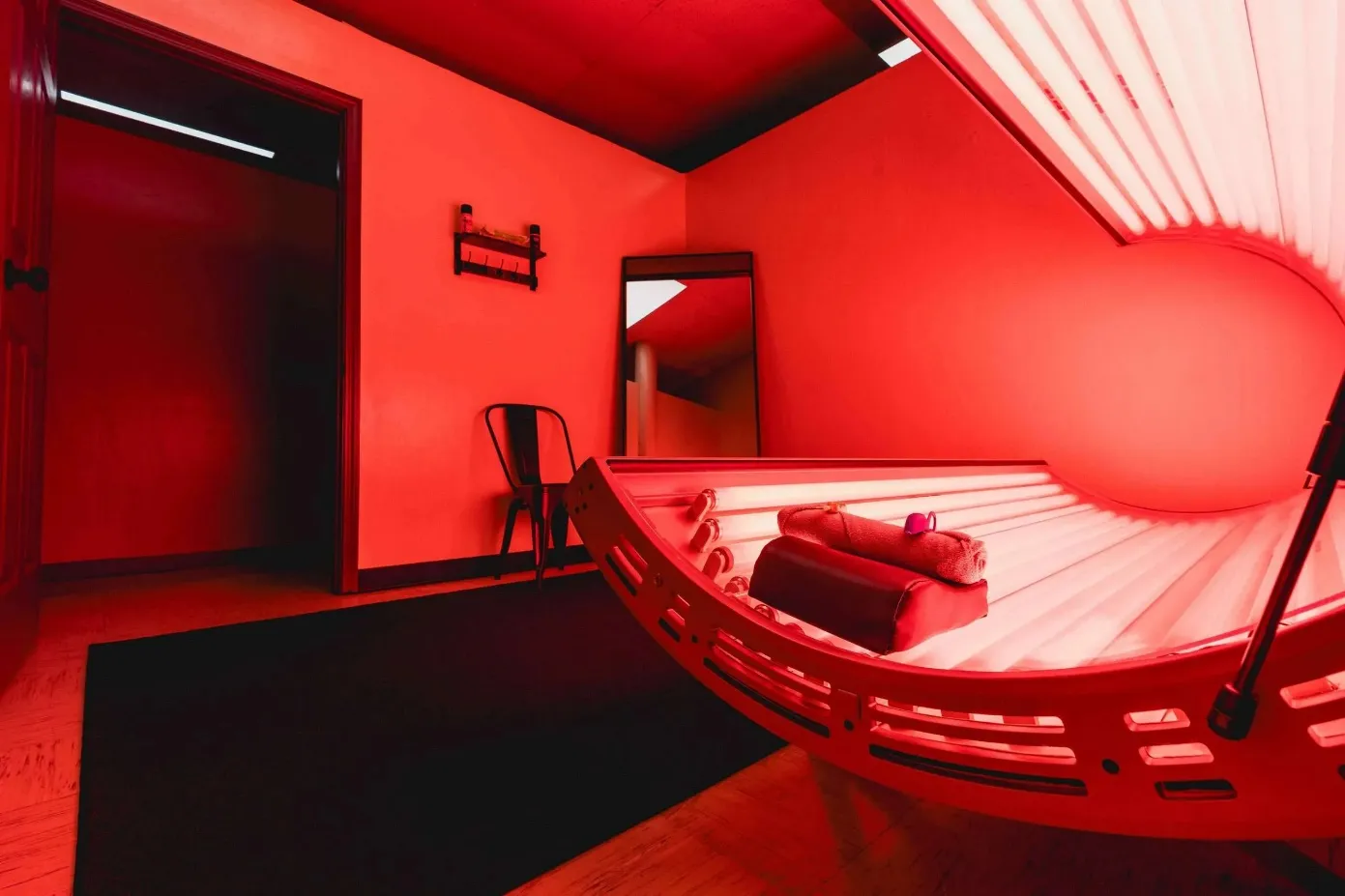
Red light treatments generally involve exposure to specific wavelengths of visible red light, sometimes alongside near-infrared light. Devices vary in their design, output, and intended applications.
These differences matter because results from research involving one device or treatment protocol cannot automatically be applied to every commercial service.
Before booking, clients should ask what equipment is used and what the provider intends the session to achieve.
A clear explanation should distinguish established information from preliminary findings. Descriptions such as rejuvenating or restorative should not replace specific details about the proposed service.
Define a Reasonable Personal Goal
People may explore light-based wellness services for different reasons. Some are interested in cosmetic skin concerns, while others simply appreciate having scheduled time for personal care.
Identifying the main reason for booking can make a consultation more useful.
Someone seeking a particular clinical outcome should ask whether the proposed service has appropriate evidence for that purpose.
A relaxing experience and a medically demonstrated benefit are not necessarily the same thing. Keeping those expectations separate can help prevent disappointment or unnecessary spending.
Review Safety Before the Appointment
Light-based devices have specific operating requirements, and suitability may depend on individual health circumstances.
Certain medications, medical conditions, or sensitivities may require additional precautions or make a particular treatment inappropriate.
Clients should discuss relevant concerns with an appropriately qualified professional rather than relying exclusively on promotional information.
Important questions include:
-
Device information: What type of equipment is being used?
-
Eye protection: What protection does the manufacturer require?
-
Session duration: How is the appropriate exposure determined?
-
Contraindications: Which conditions or medications require caution?
-
Expected outcomes: What benefits are supported by relevant evidence?
These questions help clients understand the service before agreeing to proceed.
Compare Providers Beyond Their Advertisements
A professional wellness environment should provide clear information about services, pricing, hygiene, and relevant safety procedures.
Someone searching for a visalia spa may find several businesses offering different combinations of aesthetic and relaxation services.
Comparisons should focus on the actual service rather than broad claims about overall wellness.
Clients can ask about staff training, equipment procedures, and whether a medical consultation is recommended for their circumstances.
Transparent explanations are more useful than promises of rapid or guaranteed results. A reputable provider should be willing to discuss limitations as well as potential benefits.
Session Frequency Should Have a Clear Basis
Some wellness services are promoted through packages involving repeated appointments. However, more sessions do not automatically mean better outcomes.
The appropriate schedule depends on the intended application, device specifications, and available evidence.
Clients should ask why a particular frequency is recommended and whether progress can be evaluated meaningfully.
It is also reasonable to consider the financial commitment before purchasing multiple appointments.
A treatment package should not create pressure to continue a service when the person has concerns about suitability, cost, or expected results.
Keep Established Health Habits Separate
Light-based wellness services should not be presented as replacements for medical treatment, adequate sleep, physical activity, or other established health practices.
Someone experiencing persistent pain, unusual skin changes, or another medical concern should seek appropriate healthcare advice rather than assuming a wellness appointment will address the underlying cause.
Cosmetic preferences are different from medical needs.
A balanced approach allows people to explore optional services while maintaining realistic expectations about their purpose.
The decision not to pursue a treatment can be just as reasonable as choosing to book one.
Evaluate the Experience Without Overinterpreting Changes
After a session, clients may notice temporary differences in how they feel or perceive their skin. However, short-term observations do not necessarily establish a lasting treatment effect.
Lighting, hydration, skincare products, and other factors can influence visible appearance.
People should avoid assuming that every change results directly from the procedure.
Where a service is intended to produce a measurable outcome, the provider should explain how that outcome is assessed and what limitations apply.
Unexpected reactions or concerning symptoms should receive appropriate professional attention.
Conclusion
Adding light-based sessions to a wellness routine should begin with clear goals and realistic expectations. Device characteristics, safety precautions, treatment frequency, and available evidence all influence whether a particular service is appropriate. Clients exploring information through dustylynnwellness.com can use these considerations when preparing questions before an appointment. Optional wellness treatments should complement informed personal choices rather than replace necessary healthcare. Understanding what a service can and cannot reasonably achieve helps individuals make decisions based on suitability, transparency, and their own priorities instead of promotional promises.