

Introduction
A reliable emergency power supply is essential for homes, businesses and emergency preparedness. Power outages can interrupt important appliances, security systems, communication equipment and other electrical devices. A smart transfer switch can help manage backup power by automatically transferring a building’s electrical load from the primary power source to an alternative source when an outage occurs.
Understanding how a smart transfer switch works and what features to consider can help homeowners and businesses make better decisions when planning a backup power system.
What Is a Smart Transfer Switch?
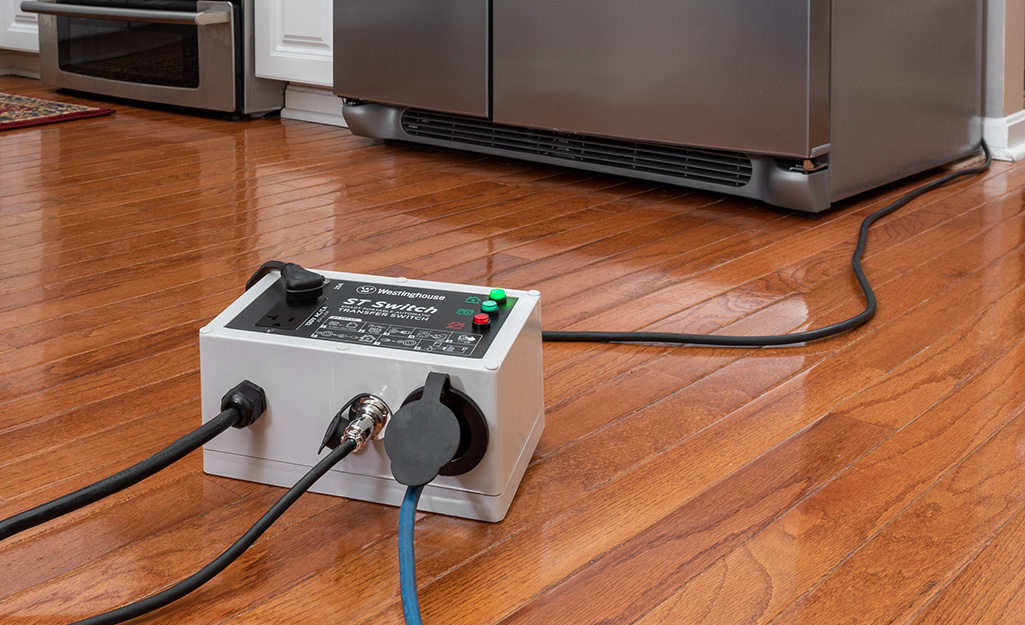
A smart transfer switch is an electrical device that manages the connection between a primary power source and a backup source, such as a generator or battery-based power system. When the main power supply becomes unavailable, the transfer switch can detect the change and switch selected electrical loads to the backup source.
When normal power is restored, it can transfer the loads back. The exact capabilities vary by model, so users should always follow the manufacturer’s specifications and installation requirements.
How Does a Smart Transfer Switch Work?
A smart transfer switch continuously monitors the incoming power supply. When it detects an interruption or an unsuitable power condition, it can initiate the transfer process if the system is configured for automatic operation.
A typical process may involve:
1. Monitoring the primary supply:
The switch monitors incoming electrical power.
2. Detecting an outage:
It identifies when the primary source is interrupted or falls outside configured parameters.
3. Activating the backup source:
Depending on the system, it can communicate with a compatible generator or other backup equipment.
4. Transferring selected loads:
The switch moves designated circuits to the backup power source.
5. Returning to normal operation:
Once the primary supply is stable again, the system can transfer the loads back.
Benefits of a Smart Transfer Switch
Smart transfer switches can offer several advantages when incorporated into a properly designed backup power system.
1. Automatic Backup Power Management
Automatic operation can reduce the need for someone to manually change electrical connections during an outage. This can be particularly useful when occupants are away from the property.
2. Load Management
Some systems can help prioritise which circuits receive backup power. This allows users to focus available backup capacity on important equipment rather than powering every electrical circuit.
3. Remote Monitoring
Depending on the model, smart features may allow users to monitor system status through a connected interface or application. This can provide useful information about power conditions and backup operation.
4. Improved Preparedness
A properly configured transfer switch can make a backup power system more convenient and responsive during unexpected outages.
Smart Transfer Switches and Emergency Preparedness
A backup generator or power station is only one part of an effective emergency power strategy. The system also needs appropriate switching and electrical protection to ensure that backup power is delivered safely to the intended circuits. A smart transfer switch can provide automated power-source management while helping users control which electrical loads receive backup power.
Conclusion
Before purchasing or installing one, evaluate your electrical requirements, backup equipment and local regulations. Because transfer switches involve electrical connections and can create serious safety hazards if improperly installed, installation and configuration should be handled by a qualified professional.