

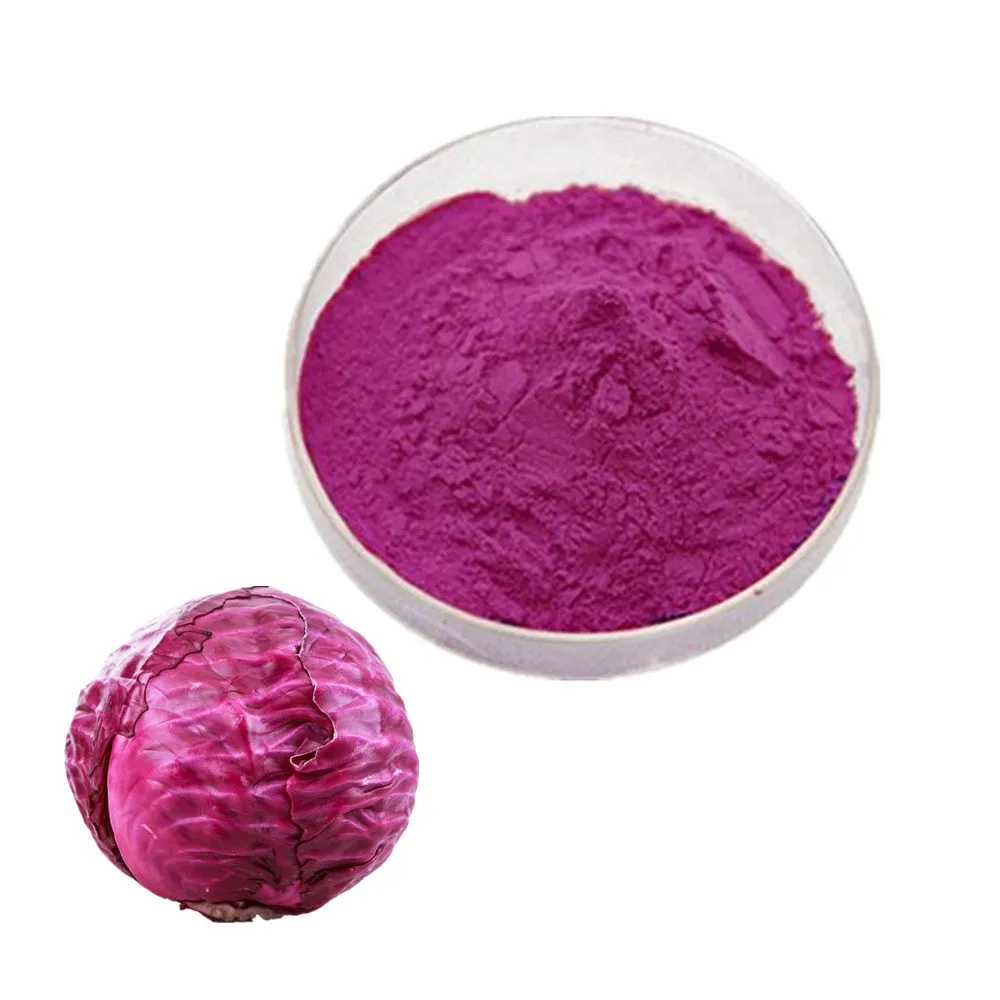
Red reformulation often starts with a simple question: which plant source can replace the existing dye? In practice, there is no universal answer. Two natural red systems can produce similar day-one shades and then behave very differently when acidity, heat, light, and flavor are introduced.
Red cabbage and beetroot are useful examples. They come from different pigment families, so product developers should compare them based on the actual application rather than assuming one is simply a stronger version of the other.
The Pigment Chemistry Is Different
Red cabbage contains anthocyanins, pigments that respond strongly to pH. Red cabbage concentrate can move through red, purple, and bluish tones as the environment changes.
Beetroot relies mainly on betalain pigments. Those pigments behave differently and may deliver vivid pink-red shades without the same pH-driven hue range. The distinction becomes important when the product has a fixed acidity target.
pH Can Decide the Better Fit
An acidic beverage may support an attractive red from cabbage-derived anthocyanins, while a product closer to neutral may show a less familiar hue. Small pH changes should therefore be included in the screening plan.
Beetroot Red may be easier to keep visually consistent across some pH conditions, but heat and other stresses still need attention. Neither source should be chosen from pH data alone.
Heat Tolerance Needs Real Processing Data
A laboratory water sample tells very little about what will happen during baking, pasteurization, or hot filling. Both pigment systems can be affected by heat, and the matrix may protect or stress them differently.
Run the full time-temperature profile and compare against an uncolored control. If the food itself darkens during processing, apparent color loss may partly come from the changing background rather than pigment degradation.
Flavor Can Break a Tie
At practical use levels, color ingredients should not dominate taste, but some applications are especially sensitive. A lightly flavored drink or delicate dairy product may reveal notes that a strongly flavored confectionery product would hide.
Conduct sensory checks at the dosage needed to reach the target shade. If one source requires substantially more material, flavor impact may become part of the decision even when both options are technically possible.
Packaging Can Favor One System
Light exposure matters for many plant pigments. A clear bottle, transparent cup, or display pouch can create more stress than an opaque package, especially during long retail storage.
Test both candidates in the intended package rather than in identical lab glass. The winning system may be the one that keeps the most acceptable shade under the product’s real distribution conditions, not the one that looks brightest on day one.
Blending Can Be Better Than Choosing One
Developers sometimes treat ingredient screening as a contest with one winner. In reality, blending two sources can help fine-tune undertone, reduce the dosage of either component, or improve the way the shade fits the flavor.
Any blend still needs full stability testing, because components may fade at different rates. The goal is not just an attractive starting color but a predictable path through shelf life.
Consider the Product’s Flavor Identity
Color source should support the story the product is telling. A beet-based pink may feel natural in a strawberry or vegetable-forward concept, while a cabbage-derived red-purple may fit berry or botanical positioning more intuitively.
This is not a regulatory rule; it is a sensory and branding consideration. When two systems perform similarly, the ingredient story and consumer expectation can help break the tie.
Keep a Control Through the Entire Shelf-Life Study
Color changes are easier to interpret when an uncolored control is stored beside the test samples. The base product itself may darken, yellow, or become more opaque over time, especially in complex foods.
Without that control, teams can mistake normal product aging for pigment failure. Side-by-side storage gives a clearer picture of what the color system is actually contributing.
Conclusion
Red cabbage and beetroot can both support natural red reformulation, but their pigment chemistry creates different strengths and limitations. pH, heat, flavor, packaging, and required dosage should guide the decision.
Product teams can explore red color systems and technical guidance at foodrgb.com. Side-by-side testing in the real formula is the most reliable way to choose a source or blend that stays believable throughout the product’s life.