

Nepal is globally recognized as a premier destination for trekking, offering access to the majestic Himalayas and some of the most scenic trails on Earth. Among its many world-famous routes, the Annapurna Circuit Trek and the Annapurna Base Camp Trek stand out as top choices for both seasoned trekkers and enthusiastic beginners. While both journeys take place in the breathtaking Annapurna region, they offer distinctly different experiences in terms of duration, terrain, difficulty, and overall trekking style. Choosing the right trek requires a clear understanding of what each route offers.
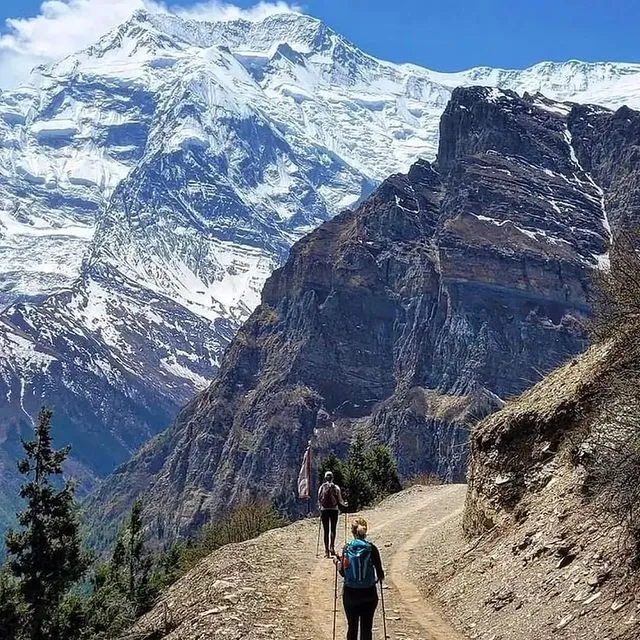
The Annapurna Region: A Diverse Himalayan Landscape
The Annapurna region lies in north-central Nepal and is part of the Annapurna Conservation Area, the largest protected region in the country. This area is known for its remarkable ecological diversity, ranging from subtropical forests and fertile farmlands to alpine zones and high-altitude deserts.
Trekkers in this region experience a dramatic shift in scenery as they ascend. The lower regions are lush and green, filled with rice terraces, rivers, and rhododendron forests. Higher elevations reveal barren landscapes, rocky cliffs, and snow-covered peaks. In addition to natural beauty, the region is culturally rich, home to communities such as the Gurung, Thakali, and Manangi people, whose traditions and lifestyles add depth to the trekking experience.
Annapurna Circuit Trek: The Ultimate Long-Distance Adventure
The Annapurna Circuit Trek is often described as one of the most diverse and rewarding trekking routes in the world. Covering approximately 160 to 220 kilometers, it typically takes 14 to 20 days to complete. This trek circles the Annapurna massif, offering an ever-changing landscape and a wide range of cultural encounters.
One of the most significant highlights of the trek is crossing Thorong La Pass, which stands at an altitude of 5,416 meters. This is one of the highest trekking passes globally and presents a considerable physical challenge. However, the panoramic views from the top—featuring snow-capped peaks and vast valleys—make the effort worthwhile.
The journey begins in lower-altitude villages with warm climates and gradually ascends through forests, waterfalls, and scenic valleys. As trekkers gain elevation, the terrain becomes more rugged and arid, resembling the Tibetan plateau. Key stops such as Manang, Jomsom, and Muktinath offer cultural insights, including Buddhist monasteries and traditional Himalayan lifestyles.
The Annapurna Circuit Trek is ideal for those seeking a comprehensive adventure that combines physical challenge, scenic diversity, and cultural exploration.
Annapurna Base Camp Trek: A Direct and Scenic Route
The Annapurna Base Camp Trek, often referred to as the ABC Trek, offers a shorter and more focused trekking experience. Typically completed within 7 to 12 days, this route leads trekkers directly into the Annapurna Sanctuary, providing close-up views of the Himalayan peaks.
The trail passes through charming villages such as Ghandruk and Chhomrong, where trekkers can enjoy local hospitality and learn about Gurung culture. The route is known for its lush forests, flowing rivers, and scenic beauty, making it a visually rewarding journey from start to finish.
The highlight of the trek is reaching Annapurna Base Camp at 4,130 meters. From this نقطة, trekkers are surrounded by towering peaks, including Annapurna I, Machapuchare (Fishtail), and Hiunchuli. The 360-degree mountain views create a natural amphitheater that leaves a lasting impression on every visitor.
Unlike the Circuit Trek, the ABC Trek does not involve crossing extremely high passes, making it more accessible to moderately fit individuals and beginners.
Comparing the Two Treks
Although both treks offer unforgettable experiences, they differ in several key aspects.
Duration and Distance:
The Annapurna Circuit Trek is significantly longer and requires a time commitment of two to three weeks. In contrast, the Annapurna Base Camp Trek can be completed in about one to two weeks.
Difficulty Level:
The Circuit Trek is more physically demanding due to its length and high-altitude pass. The Base Camp Trek is moderately challenging and more suitable for beginners with good fitness levels.
Scenery and Terrain:
The Annapurna Circuit offers a wide range of landscapes, from lush green valleys to high-altitude deserts. The Base Camp Trek focuses more on forested trails and close-up mountain views.
Altitude:
The highest point of the Circuit Trek is Thorong La Pass (5,416 meters), while the Base Camp Trek reaches 4,130 meters. This makes the Circuit Trek more challenging in terms of altitude and acclimatization.
Cultural Experience:
The Circuit Trek passes through a broader range of communities, providing a richer cultural experience. The Base Camp Trek offers cultural interaction but on a smaller scale.
Best Time for Trekking
The ideal seasons for both treks are spring (March to May) and autumn (September to November). These periods offer stable weather, clear skies, and excellent visibility.
Spring is known for blooming rhododendron forests, while autumn provides crisp air and stunning mountain views. Winter trekking is possible but challenging due to snow and cold temperatures, especially on the Circuit route. The monsoon season is generally avoided due to heavy rainfall and slippery trails.
Preparation and Essential Tips
Proper preparation is crucial for a successful trekking experience. Both treks require good physical fitness, including stamina and endurance. Trekkers should engage in regular exercise and hiking practice before the यात्रा.
Acclimatization is especially important for the Annapurna Circuit Trek due to its high altitude. Gradual ascent and rest days help reduce the risk of altitude sickness.
Essential gear includes layered clothing, trekking boots, a sleeping bag, and water purification systems. Hiring a guide or porter is recommended for safety and convenience.
Accommodation and Trekking Style
Both treks follow a teahouse trekking system, where trekkers stay in local lodges along the route. These teahouses provide basic accommodation and meals, including traditional Nepali dishes like dal bhat.
Facilities become simpler at higher altitudes, but the warmth and hospitality of local hosts create a welcoming environment. Trekkers often enjoy meeting fellow travelers and sharing experiences along the trail.
Conclusion
The Annapurna Circuit Trek and the Annapurna Base Camp Trek are two of the most iconic trekking experiences in Nepal, each offering a unique perspective of the Himalayas. The Circuit Trek is a long and adventurous journey that showcases diverse landscapes and challenges trekkers with high-altitude conditions. In contrast, the Base Camp Trek provides a shorter, more accessible route with equally breathtaking mountain views and a direct connection to the heart of the Annapurna range.
Ultimately, the choice between these two treks depends on your time, fitness level, and personal preferences. Whether you choose the expansive Circuit or the focused Base Camp route, both promise unforgettable scenery, cultural richness, and a deep appreciation for the natural beauty of the Himalayas.